
Industrial gas cylinders are ubiquitous, serving as the portable powerhouses for countless processes across virtually every sector of modern industry. From the precision of laboratory work to the heavy-duty demands of manufacturing and construction, these pressurized containers are indispensable. Their safe and effective use, however, hinges on a deep understanding of their design, their diverse applications, and, most critically, the stringent protocols for their inspection and maintenance.
What is an Industrial Gas Cylinder? 🛡️
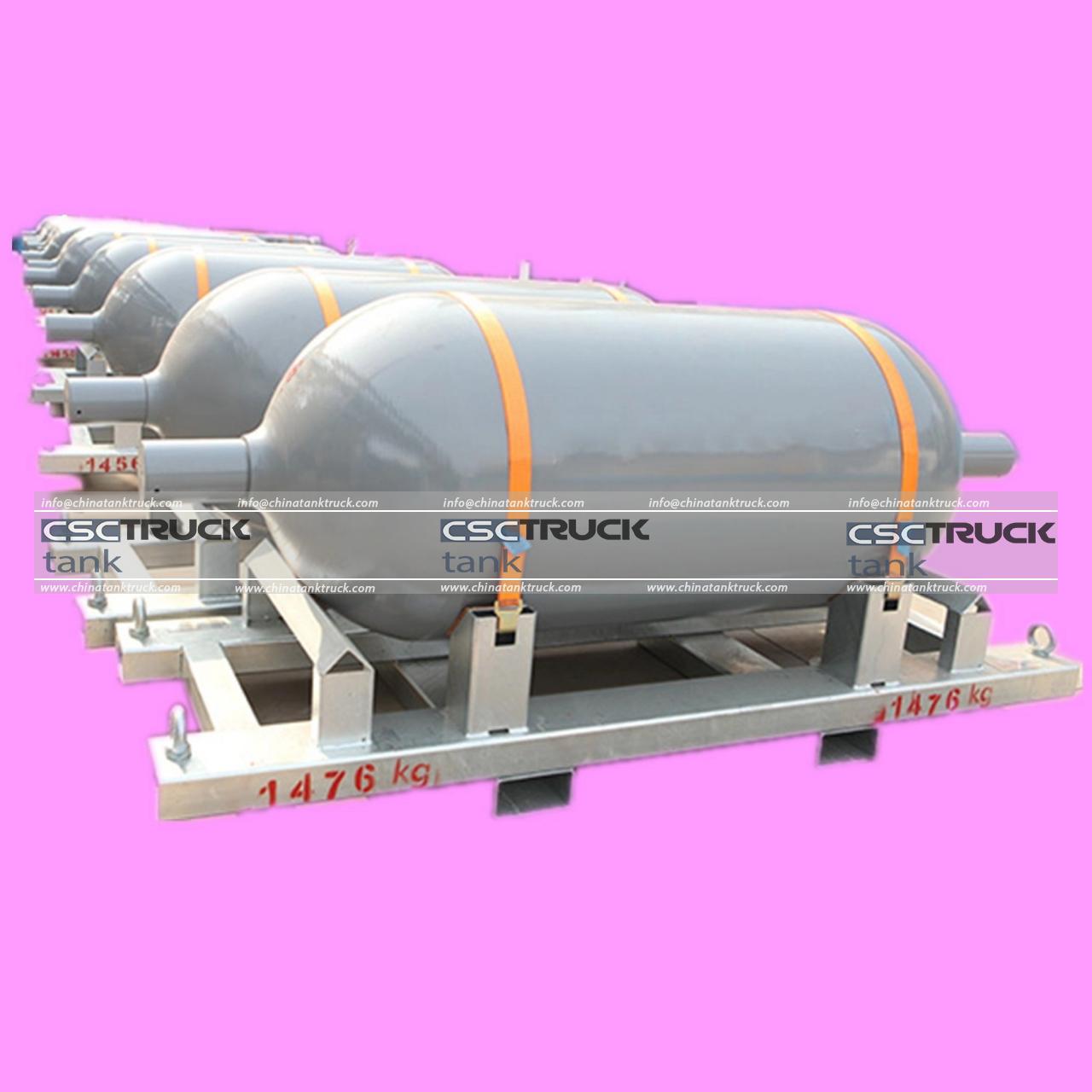
An industrial gas cylinder is a specialized, high-pressure vessel designed for the storage and transport of compressed, liquefied, or dissolved gases. These cylinders are engineered to withstand extreme internal pressures—often hundreds or even thousands of pounds per square inch (psi)—which allows a large volume of gas to be contained in a relatively small, portable container.
Core Components and Materials
Cylinders are typically constructed from robust materials like high-strength steel or lightweight aluminum alloys. Newer designs also incorporate composite materials with a fiber-reinforced polymer casing for reduced weight and enhanced safety features.
Key components include:
-
The Cylinder Body: The main pressure vessel, which must be seamless or welded according to strict standards (e.g., ISO 9809 for seamless steel, ISO 7866 for aluminum).
-
The Valve: A complex component fitted at the top to control the flow of gas. It must be rugged and often includes features like pressure relief devices (bursting discs or relief valves) to prevent catastrophic failure in the event of excessive pressure buildup.
-
Valve Protection Cap/Guard: A protective cap or guard placed over the valve assembly when the cylinder is not connected for use or during transport to prevent damage to the valve, which is the most vulnerable part of the cylinder.
-
Cylinder Markings: Stamped or labeled information that is crucial for safety and compliance. These markings include the working pressure, test pressure, serial number, manufacturer, and the date of the last and next periodic inspection.
The high-pressure containment is what makes these cylinders both incredibly useful and inherently hazardous if mishandled, underscoring the necessity of strict safety protocols.
Diverse Gas Supply Applications 🌐
The gases housed within these vessels drive a vast array of industrial and commercial activities. The versatility of the cylinder format—allowing for portable, high-capacity gas supply—makes them the preferred choice for processes that require mobility, precise gas mixtures, or moderate flow rates.
Manufacturing and Fabrication
This is perhaps the largest consumer of industrial gases:
-
Welding and Cutting: Oxygen is used with fuel gases (like Acetylene or Propane) for oxy-fuel cutting. Argon, Helium, and mixtures of these with Carbon Dioxide (CO2) or Oxygen are critical as shielding gases in advanced welding processes (MIG/MAG, TIG) to protect the weld area from atmospheric contamination.
-
Heat Treatment: Gases like Nitrogen and Hydrogen are used in controlled atmospheres for hardening or annealing metals.
Healthcare and Medical Use
While often treated as a separate category, medical gases rely on the same cylinder technology but with stricter purity and regulatory standards:
-
Medical Oxygen (O2): Essential for patient respiration, resuscitation, and anesthesia.
-
Nitrous Oxide (N2O): Used as an anesthetic agent.
-
Medical Air: A controlled, oil-free blend of oxygen and nitrogen.
Food and Beverage Industry
Gases play a significant role in modern food preservation and production:
-
Carbon Dioxide (CO2): Used for carbonating beverages and in modified atmosphere packaging (MAP) to extend the shelf life of perishable foods.
-
Nitrogen (N2): Used for inerting food storage and packaging to displace oxygen and prevent spoilage.
Research and Laboratory Environments
Specialty and ultra-high-purity gases are required for analytical and calibration work:
-
Calibration Gases: Precise mixtures of gases used to calibrate analytical instruments.
-
High-Purity Gases: Gases like Helium, Hydrogen, and Nitrogen are used as carrier gases in gas chromatography and other scientific applications.
Energy and Environment
Emerging applications include the use of gases in green energy and environmental solutions:
-
Hydrogen (H2): Stored for use in fuel cells or as a clean fuel source.
-
Nitrogen (N2): Used for purging pipelines and industrial systems to remove flammable or undesirable substances.

Inspection and Maintenance Tips for Safety and Longevity 🛠️
Given the extreme pressures involved, the safe handling, storage, and maintenance of industrial gas cylinders are paramount. A proactive inspection and maintenance regimen is not just about extending the life of the asset; it is a fundamental requirement for preventing catastrophic accidents.
1. Pre-Use and Routine Visual Inspections
Every cylinder must be visually inspected by the user before connection and use. This is the first and most frequent line of defense against accidents.
-
Check the Cylinder Body: Look for signs of physical damage, such as cuts, gouges, dents, arc burns (from welding), or deep corrosion/rust. A damaged cylinder should be immediately taken out of service and clearly marked as defective.
-
Inspect the Valve: Ensure the valve is not bent or damaged. The valve outlet threads should be clean and undamaged to ensure a proper seal with the regulator.
-
Verify Labeling: Confirm that the cylinder’s labeling is legible and clearly identifies the gas content and associated hazards. Never rely on the color of the cylinder, only the label.
-
Leak Check: After connecting a regulator, perform a leak check using a non-corrosive leak-detection fluid (soap and water solution). Bubbles indicate a leak, and the connection should be immediately re-tightened or the cylinder taken out of service.
2. Periodic Re-qualification and Testing
Gas cylinders have a mandatory, legally required lifespan determined by a program of periodic inspection and testing, known as re-qualification or hydrostatic testing.
-
Hydrostatic Test: The cylinder is filled with water and pressurized far above its maximum working pressure to confirm the vessel’s pressure integrity and structural elasticity.
-
Intervals: The required interval for this testing (often every 5 or 10 years, depending on the gas, cylinder material, and regional regulations) is stamped on the cylinder collar or body.
-
Out-of-Date Cylinders: Cylinders past their re-test date must never be filled or used. They must be returned to the supplier for re-qualification.
3. Safe Storage and Handling Practices
Even when not in use, cylinders pose a significant risk if not stored correctly.
-
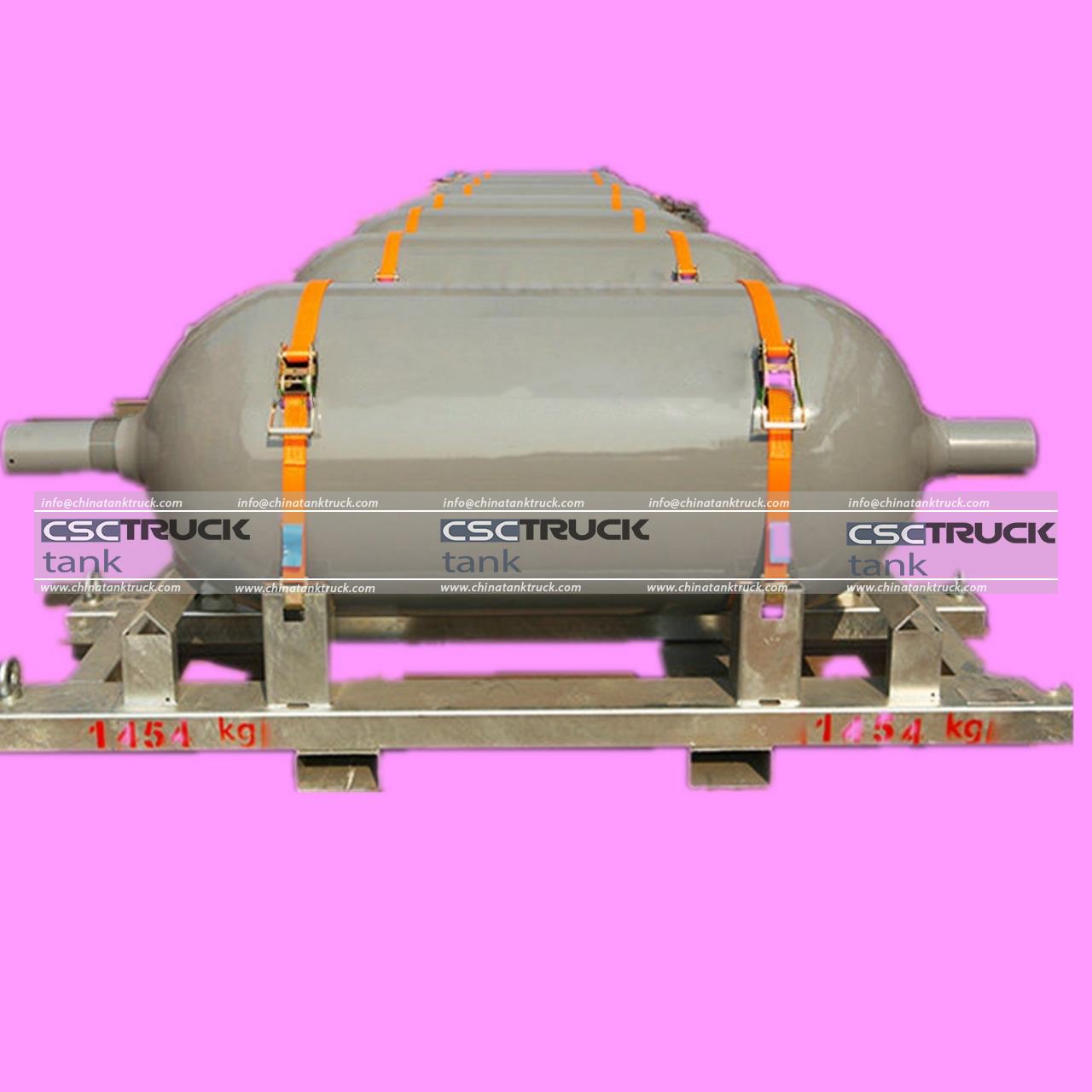
Secure Storage: Always store cylinders upright and secured with chains, straps, or a cylinder rack to prevent them from tipping or falling.
-
Ventilation: Storage areas must be well-ventilated to prevent the accumulation of any leaked gas.
-
Temperature Control: Keep cylinders away from heat sources and direct sunlight, as excessive heat can increase internal pressure beyond safe limits. The temperature must typically not exceed 50℃.
-
Segregation: Flammable gases (e.g., Acetylene, Hydrogen) must be stored separately from oxidizing gases (e.g., Oxygen, Nitrous Oxide) by a specified distance (often 20 feet) or by a fire-resistant barrier.
-
Valve Protection: Ensure the valve protection cap is always in place when the cylinder is not actively connected for use or is being moved. Never use the cap as a lifting point.
4. Proper Regulator and Equipment Use
Using incompatible or damaged equipment can be extremely dangerous.
-
Gas-Specific Regulators: Use only pressure regulators and fittings designed for the specific gas and pressure in the cylinder. The valve outlet thread standards (e.g., left-hand threads for flammable gases, right-hand for non-flammable) are designed to prevent accidental cross-connection.
-
Opening the Valve: Always open the cylinder valve slowly to prevent a sudden surge of high pressure that could damage the regulator or cause a dangerous pressure spike.
Conclusion
Industrial gas cylinders are marvels of engineering—durable, reliable, and crucial to modern industry. They enable everything from complex chemical synthesis to life-saving medical care. However, their utility is entirely dependent on the rigor with which safety and maintenance standards are applied. By meticulously following protocols for routine inspection, adhering to periodic re-qualification schedules, and maintaining safe storage practices, industries can harness the power of compressed gases effectively, ensuring both operational efficiency and the absolute safety of their personnel and facilities.
